







Introduction: Does Shampoo Really Help Hair Loss?
Hair loss is one of the most common hair concerns, affecting both men and women. With shelves full of “hair growth” and “anti-hair fall” shampoos, it’s natural to ask: can shampoo actually help hair loss?
The short answer is: yes but only to a point. Shampoo alone cannot cure genetic hair loss or medical conditions, but the right formula can significantly improve scalp health, reduce breakage, and create a better environment for hair growth.
Understanding Hair Loss: Why It Happens
Before choosing a shampoo, it’s important to understand what causes hair thinning:
-
Genetics (androgenetic alopecia)
-
Hormonal changes (pregnancy, menopause, thyroid issues)
-
Stress and lifestyle factors
-
Nutritional deficiencies (iron, vitamin D, protein)
-
Scalp conditions (dandruff, seborrheic dermatitis, inflammation)
-
Product buildup and harsh ingredients
A healthy scalp is the foundation of healthy hair growth, this is where shampoo plays an important role.
Can Shampoo Actually Help Hair Loss?
Shampoo does not “regrow” hair on its own, but it can help in these ways:
-
Strengthens the Scalp Environment
A clean, balanced scalp reduces inflammation and supports healthier follicles.
-
Reduces Breakage
Gentle formulas help prevent hair from becoming weak and snapping.
-
Improves Blood Circulation
Some shampoos contain active ingredients that stimulate scalp microcirculation.
-
Supports Hair Roots
Ingredients like caffeine and zinc can help strengthen hair at the root level.
What Ingredients Actually Work for Hair Loss?
When choosing a shampoo for thinning hair, look for clinically supported ingredients:
✔ Caffeine
Stimulates scalp circulation and may support hair follicle activity.
✔ Zinc PCA
Helps regulate oil production and supports scalp health.
✔ Ginkgo Biloba
Known to improve microcirculation in the scalp.
✔ Creatine
Helps strengthen hair structure and reduce breakage.
✔ pH-balanced formulas (pH 5.5)
Maintains the scalp’s natural barrier (acid mantle), which is essential for healthy growth.
Sebamed and Hair Loss: Why pH 5.5 Matters
One of the most important factors in scalp health is maintaining the correct pH level.
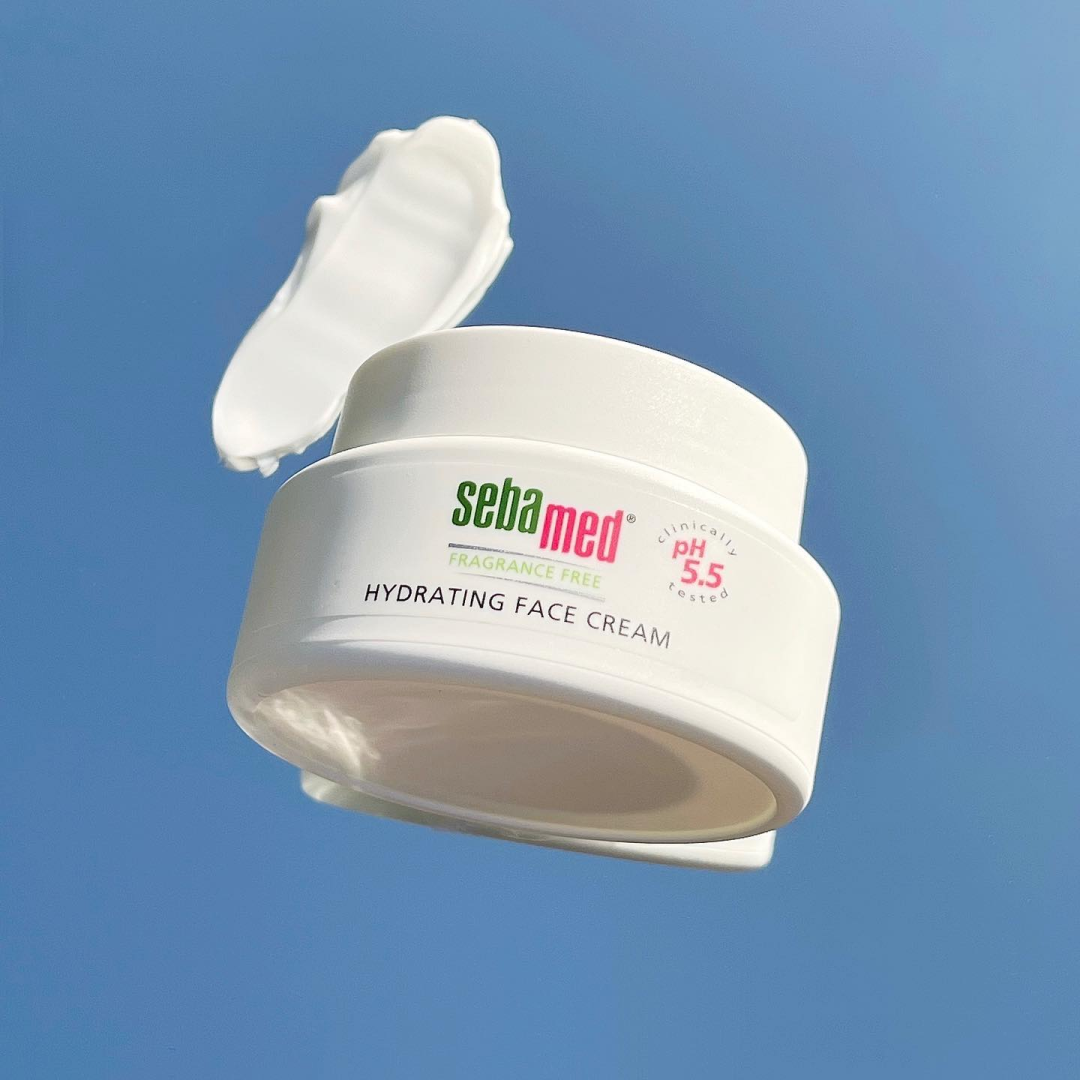
The scalp naturally sits at pH 5.5, and when disrupted, it can lead to dryness, irritation, and increased hair fall.
Sebamed products are designed to match this natural balance.
Recommended Product: Sebamed Anti-Hairloss Shampoo
A clinically formulated option designed for scalp support is: Sebamed Anti-Hairloss Shampoo 200ml.
This shampoo is developed to support hair strength and reduce hair fall by targeting the scalp environment rather than just cleansing.
Key Benefits:
-
Activates scalp microcirculation
-
Strengthens hair roots
-
Supports healthier hair growth conditions
-
Contains caffeine and ginkgo biloba
-
pH 5.5 skin-compatible formula
-
Suitable for all hair types
This makes it especially useful for those experiencing early thinning or seasonal shedding.
What Shampoo Cannot Do for Hair Loss
It’s important to be realistic. Shampoo cannot:
-
Cure genetic baldness
-
Replace medical treatments for alopecia
-
Instantly regrow lost hair
-
Work without consistent scalp care and routine
If hair loss is severe or sudden, a dermatologist should always be consulted.
Best Hair Loss Routine (Simple & Effective)
For best results, combine shampoo with a proper scalp routine:
-
Use a gentle anti-hair loss shampoo 2–4 times weekly
-
Massage scalp for 2–3 minutes to improve circulation
-
Avoid harsh sulfates and heavy product buildup
-
Maintain a balanced diet (iron, protein, vitamin D)
-
Reduce heat styling and chemical stress
Final Verdict: Does Shampoo Help Hair Loss?
Yes but indirectly.
Shampoo helps by:
-
Improving scalp health
-
Strengthening hair fibres
-
Supporting better growth conditions
But real results come from combining the right shampoo + scalp care + lifestyle habits.
A pH-balanced, scalp-focused formula like Sebamed’s Anti-Hairloss Shampoo can be a strong foundation for healthier-looking, stronger hair over time.