














When it comes to intimate hygiene, one of the most common questions is: Should you use soap or an intimate wash for daily cleansing? While both are designed to clean, they are not created equal, especially for sensitive intimate skin.
Understanding the difference between soap vs intimate wash is essential for maintaining healthy intimate hygiene, pH balance, and long-term skin comfort.
Why Intimate Skin Needs Special Care
The intimate area (external vulva/groin skin) is naturally more delicate than the rest of the body. It also maintains a slightly acidic pH (around 3.8–5.0) to protect against harmful bacteria and irritation.
This natural acidity is part of the body’s protective microbiome, which helps prevent:
-
Bacterial infections
-
Yeast overgrowth
-
Irritation and dryness
-
Odour imbalance
When this balance is disrupted, discomfort and sensitivity can occur quickly.
Soap vs Intimate Wash: What’s the Difference?
1. Regular Soap
Traditional soaps and body washes are designed for general skin cleansing, not intimate care.
Most soaps have a high alkaline pH (around 8–10), which is significantly higher than intimate skin.
This can lead to:
-
Dryness and tightness
-
Irritation and itching
-
Disruption of healthy bacteria
-
Increased risk of imbalance
Even “gentle” soaps can strip the skin’s natural protective barrier over time.
2. Intimate Wash
An intimate wash is specifically formulated for sensitive intimate skin.
Key features include:
-
pH-balanced (around 3.5–5.5) to match intimate skin
-
Soap-free formula
-
Mild cleansing agents
-
Designed for external use only
Unlike soap, intimate wash supports the natural microbiome instead of disrupting it.
Which Is Safer for Daily Use?
✔ Intimate Wash (Recommended for daily use)
-
Maintains pH balance
-
Gentle on sensitive skin
-
Helps reduce irritation risk
-
Supports natural flora
❌ Soap (Not ideal for intimate area)
-
Too alkaline for intimate skin
-
Can cause dryness and imbalance
-
May increase irritation over time
Dermatology guidance generally recommends avoiding soap on intimate areas and opting for gentle, pH-balanced cleansers instead.
Benefits of Using an Intimate Wash Daily
Switching to an intimate wash can help:
-
Maintain freshness without disrupting balance
-
Reduce odor caused by imbalance
-
Support skin comfort and hydration
-
Minimise risk of irritation and sensitivity
It’s a simple change that can make a noticeable difference in daily comfort.
When Should You Use an Intimate Wash?
You can use an intimate wash:
-
Once daily in the shower
-
During menstruation
-
After exercise
-
After sweating or long days
Avoid over-washing, as this can also disrupt balance.
Common Myths About Intimate Hygiene
Myth 1: Soap is enough for everything
Not true, soap is too harsh for intimate skin.
Myth 2: Intimate wash is unnecessary
False, while not medically required for everyone, it helps maintain comfort and balance for many people.
Myth 3: Strong cleansing = better hygiene
Incorrect, over-cleansing can actually cause imbalance and irritation.
Final Thoughts
When comparing intimate wash vs soap, the clear winner for daily intimate care is an intimate wash.
Soap may be fine for the rest of your body, but for intimate skin, it is often too harsh and disruptive to the natural pH balance.
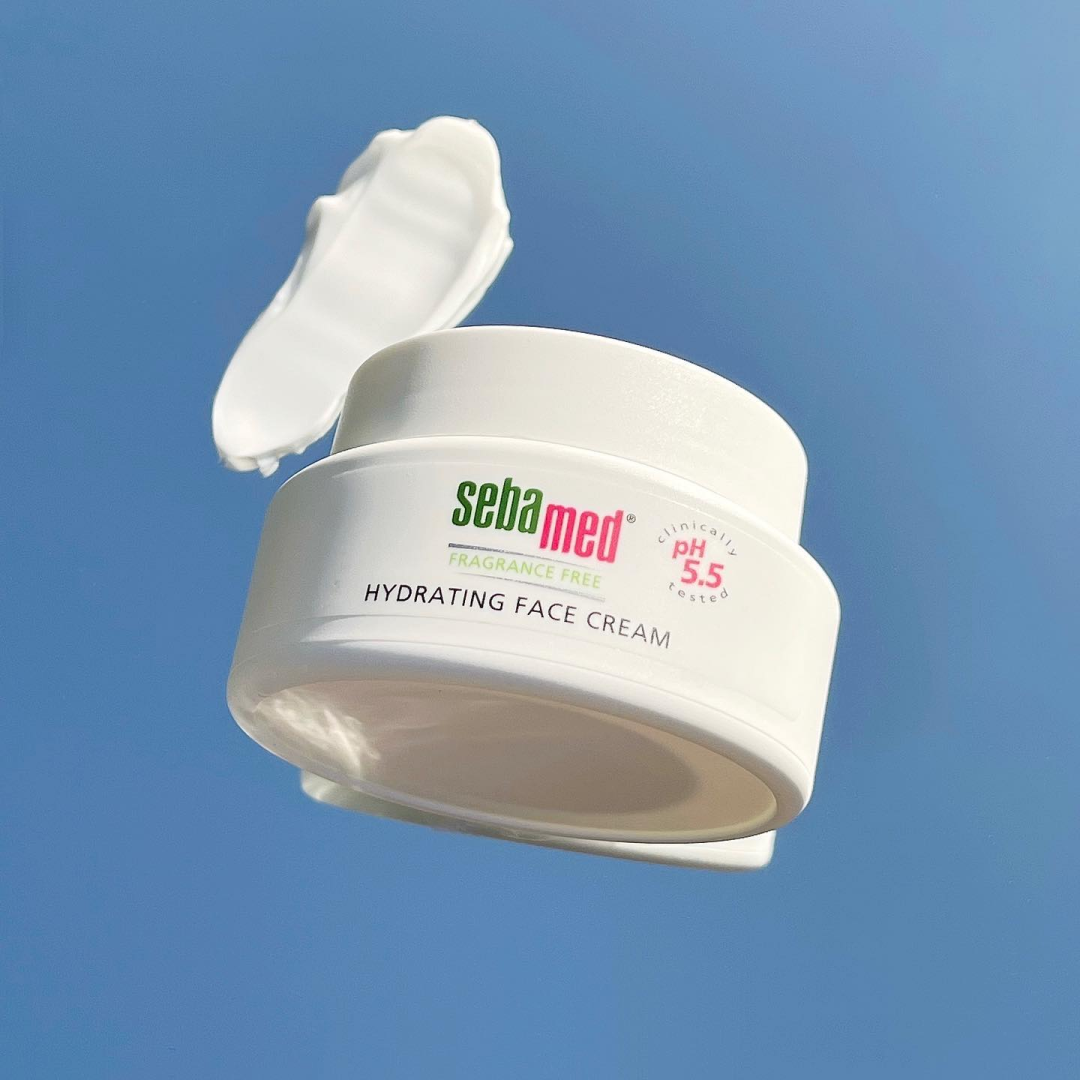
Choosing a pH-balanced intimate wash like Sebamed can help support:
-
Skin comfort
-
Natural protection
-
Everyday freshness